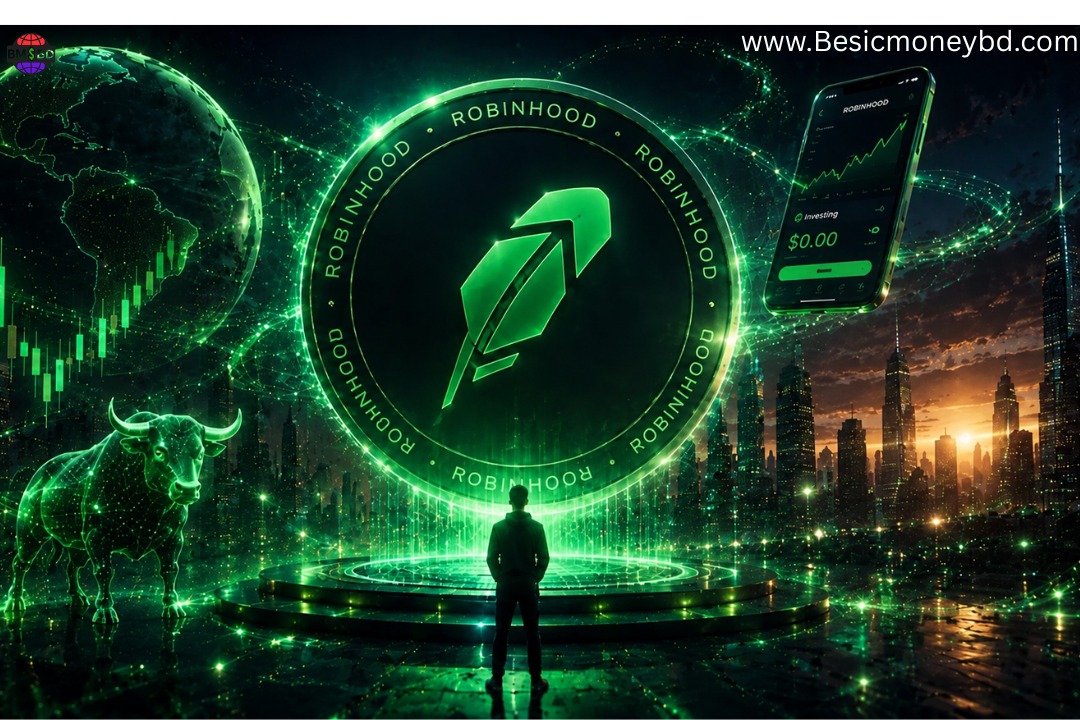
Robinhood Chain has quickly become one of the biggest success stories in decentralized finance during 2026. In less than two months after launching its public mainnet, the Ethereum Layer 2 network recorded nearly $945 million in decentralized exchange (DEX) volume in a single day, setting a new all-time high for the blockchain.
The milestone is more than just another trading record. It shows how a company best known for stock trading has built one of the fastest-growing blockchain ecosystems connecting traditional finance with DeFi.
A Historic Day for Robinhood Chain
On August 25, 2026, Robinhood Chain processed approximately $945 million in DEX trading volume, almost doubling its previous record of $563 million set in early July.
The network also reached several major milestones on the same day:
- 5.5 million blockchain transactions processed in 24 hours.
- $85 million in daily tokenized stock trading volume.
- Launch of pTokens, leveraged perpetual trading products on Arcus, a DEX built using dYdX technology and backed by Robinhood Crypto.
For a blockchain that officially launched on July 1, 2026, these numbers are remarkable.
From New Mainnet to Top-Five Blockchain
Robinhood Chain is built using Arbitrum Orbit, an Ethereum Layer 2 framework that settles transactions on Ethereum while offering much faster execution and lower fees.
Within just 56 days, the network achieved:
- More than $47 billion in cumulative DEX trading volume.
- Around $15 billion in 30-day trading volume.
- A position among the top five blockchain networks globally by monthly DEX volume.
That puts Robinhood Chain alongside major ecosystems like Solana, BNB Chain, Ethereum, and Base.
Its rapid growth also pushed it ahead of several established Layer 2 networks in terms of trading activity.
Why Traders Are Moving to Robinhood Chain
Robinhood Chain combines several features that appeal to both crypto traders and traditional investors.
Lightning-Fast Transactions
The network operates with approximately 100-millisecond block times, making trades feel almost instant while still settling on Ethereum.
Zero Gas Fees (Temporarily)
Robinhood introduced a 90-day gas subsidy, covering users’ transaction fees through the end of September 2026.
This removed one of the biggest barriers for new traders and encouraged massive trading activity during the launch period.
Ethereum Security
Although transactions are extremely fast, Robinhood Chain still inherits Ethereum’s security through Layer 2 settlement.
Tokenized Stocks Are Becoming a Major Market
One of Robinhood Chain’s biggest innovations is Stock Tokens.
Instead of trading only cryptocurrencies, users can trade blockchain-based representations of real-world stocks such as:
- NVIDIA
- Apple
- GameStop
- SpaceX
- Tesla
- Microsoft
These ERC-20 tokens provide economic exposure to the underlying stocks and trade 24/7 across more than 120 countries.
By August 21, cumulative tokenized stock trading volume on Uniswap had already exceeded $1 billion.
This is one of the strongest signals yet that tokenized equities are becoming a serious DeFi market.
Three Markets Driving Robinhood Chain’s Growth
Robinhood Chain’s record volume did not come from a single source. Three different sectors contributed to the surge.
1. Memecoin Trading
The chain became a hotspot for speculative trading through its launchpad ecosystem.
Projects like Pons and CASHCAT generated hundreds of millions of dollars in trading volume, with Pons alone accounting for nearly half of daily DEX activity during its peak.
2. Tokenized Equities
Robinhood’s stock token ecosystem attracted investors who wanted continuous access to U.S. equity markets without traditional market hours.
Index-style products also gained popularity, including tokenized Nasdaq trackers.
3. Leveraged Crypto Products
The launch of pTokens introduced transferable leveraged positions such as pBTC3x and pHOOD3x.
Users can even use tokenized stock holdings as collateral for leveraged crypto trading, creating a new bridge between traditional assets and DeFi derivatives.
Total Value Locked Exploded
Robinhood Chain’s ecosystem growth is not limited to trading volume.
The network’s Total Value Locked (TVL) grew from just $4 million in June to approximately $1.4 billion by the end of August.
This growth rate is faster than any Ethereum Layer 2 achieved during a similar stage of development.
Much of that liquidity comes from stablecoins and DeFi lending products.
Stablecoins Power the Ecosystem
Behind the trading activity is a rapidly growing stablecoin economy.
Robinhood Chain reached roughly $640 million in stablecoin market capitalization during August.
Popular assets include:
- USDe from Ethena.
- USDG, developed in partnership with Paxos.
Robinhood Earn also offers around 7% estimated yield on USDG deposits, encouraging users to keep liquidity inside the ecosystem instead of moving funds elsewhere.
Can Robinhood Keep This Momentum?
The biggest question facing Robinhood Chain is sustainability.
The current trading boom benefits from temporary gas-free transactions. Once the subsidy expires at the end of September 2026, users will begin paying normal Ethereum Layer 2 fees.
Investors will be watching several key indicators:
- Does DEX volume remain above previous highs?
- Will tokenized stock trading continue growing?
- Can Robinhood retain liquidity after incentives disappear?
- Will developers keep launching applications on the network?
The answers will determine whether Robinhood Chain becomes long-term financial infrastructure or simply experiences an explosive launch cycle.
Final Thoughts
Robinhood Chain has already proven that a traditional financial company can build a blockchain capable of competing with the largest DeFi ecosystems.
With $47 billion in cumulative DEX volume, $1.4 billion in TVL, and $1 billion+ in tokenized stock trading within weeks of launch, the network is creating one of the strongest connections yet between Wall Street and decentralized finance.
The next phase begins when fee incentives end. If users continue trading at scale without subsidized gas, Robinhood Chain could become one of the defining Layer 2 networks of the tokenized finance era.