
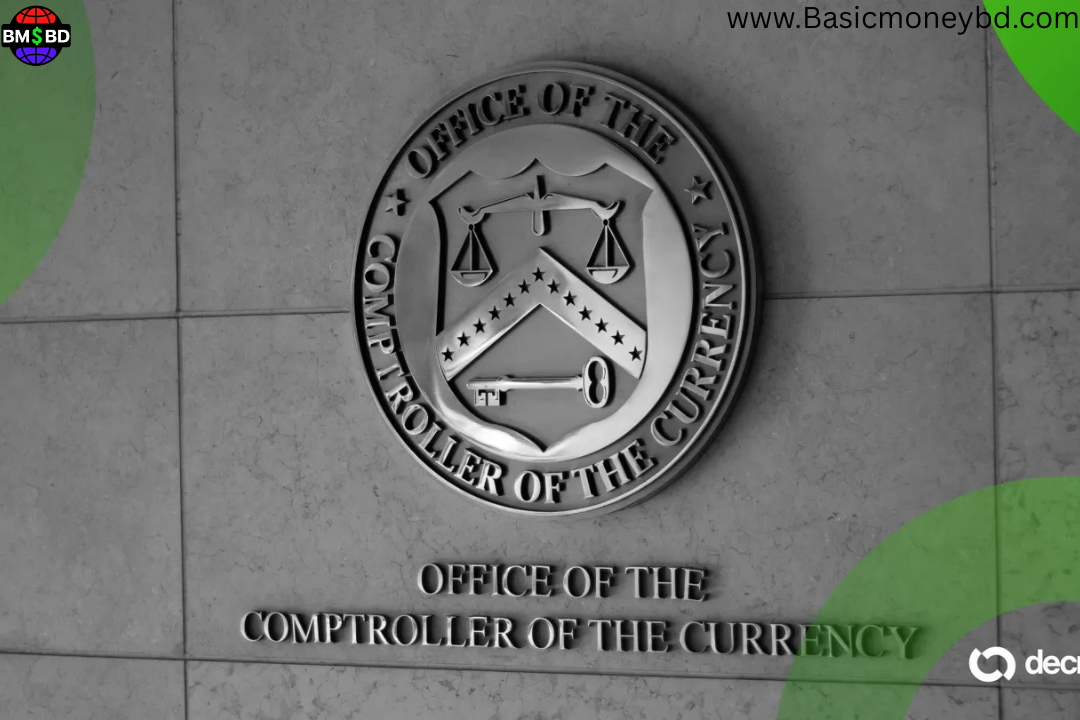
The Office of the Comptroller of the Currency (OCC) has finalized a new set of federal regulations governing payment stablecoins under the GENIUS Act, marking an important development in the regulation of digital assets in the United States. The framework establishes requirements for stablecoin issuance, reserve backing, redemption procedures, risk management, and regulatory supervision.
According to an October 21 announcement, the final regulations are scheduled to take effect on January 18, 2027. The rules aim to establish clearer standards for companies seeking federal approval to issue payment stablecoins while strengthening oversight of the institutions responsible for managing these digital assets.
The OCC’s decision represents another step toward integrating stablecoins into the broader US financial regulatory system. It also provides a more structured framework for companies operating in the digital asset industry, particularly those planning to offer payment services backed by stablecoins.
OCC Establishes a Federal Framework for Stablecoin Issuers
The new regulations introduce a framework under 12 CFR Part 15, outlining the responsibilities of payment stablecoin issuers operating under OCC supervision. The requirements cover subsidiaries of national banks and federal savings associations, federally qualified nonbank issuers, and certain state-qualified issuers that fall within the agency’s jurisdiction.
Certain foreign payment stablecoin issuers operating under the applicable US regulatory framework are also covered by the rules.
Under the new framework, companies seeking federal authorization must provide detailed information about their proposed operations, management structures, reserve assets, liquidity arrangements, and financial controls. The OCC will evaluate these factors during the licensing process and continue monitoring approved issuers through its supervisory activities.
The regulations also clarify how some state-regulated companies may transition to federal oversight, helping establish a more consistent approach to stablecoin regulation across different regulatory jurisdictions.
Reserve Backing and Redemption Requirements Take Center Stage
Reserve backing is one of the most important elements of the OCC’s new regulatory framework. Stablecoin issuers must follow applicable requirements designed to ensure that their reserve arrangements support the payment stablecoins they issue.
The rules also address redemption procedures, which are essential to maintaining confidence in stablecoins. Users and businesses generally rely on payment stablecoins being redeemable according to the issuer’s stated terms. Clear redemption standards can help reduce uncertainty about how issuers must handle customer requests.
Risk management is another central component of the regulations. Issuers will need to demonstrate that they have appropriate financial controls, liquidity arrangements, and operational procedures to manage potential risks.
These requirements are intended to strengthen accountability and improve the reliability of stablecoin operations. However, the effectiveness of the framework will also depend on how issuers implement the rules and how consistently regulators enforce them.
Reporting, Audits, and Supervisory Oversight
The OCC’s framework introduces additional expectations concerning reporting, audits, and regulatory supervision. The agency has proposed weekly and quarterly reporting requirements as part of its broader approach to monitoring stablecoin issuers.
Regular reporting could help regulators assess reserve positions, liquidity conditions, and other important aspects of an issuer’s financial operations. More frequent access to relevant information may also help supervisors identify potential weaknesses before they develop into larger problems.
The final regulations address the licensing and supervision of issuers, as well as circumstances in which regulatory approval may be revoked or rescinded.
In addition to the stablecoin-specific rules, the OCC has amended certain existing provisions relating to bank capital adequacy, prompt corrective action, supervisory assessments, and administrative procedures.
These changes connect the new stablecoin framework with existing banking oversight mechanisms, reflecting the growing importance of digital asset activities within regulated financial institutions.
Anti-Money Laundering Rules Remain a Separate Process
Although the OCC has finalized important requirements for stablecoin issuance and supervision, anti-money laundering and sanctions regulations are being addressed through a separate rulemaking process.
This distinction is important because stablecoin regulation involves several different areas of oversight. Reserve management, redemption rights, financial stability, customer protection, and licensing requirements are related but distinct from the rules governing illicit finance and sanctions compliance.
The separate process means that the broader regulatory framework may continue to develop as authorities address additional compliance obligations.
For stablecoin issuers, keeping track of these developments will be essential when preparing compliance programs and planning future operations in the US market.
Treasury Secretary Scott Bessent Welcomes the Development
US Treasury Secretary Scott Bessent welcomed the OCC’s decision and compared the GENIUS Act with the National Currency Act of 1863, which helped establish a national framework for bank-issued currency.
Bessent described the legislation as a “watershed moment in American finance,” emphasizing its potential to support private-sector competition and innovation in digital assets.
The comparison highlights the potential significance of stablecoin regulation for the US financial system. Just as earlier financial legislation helped standardize aspects of currency issuance, the GENIUS Act seeks to establish clearer requirements for companies issuing regulated payment stablecoins.
OCC Comptroller Jonathan Gould also emphasized the importance of standards covering reserve backing, redemption, and risk management. The agency’s experience supervising federally regulated financial institutions provides a foundation for implementing the new requirements.
What the New Rules Mean for the Stablecoin Industry
The finalized regulations could have significant implications for stablecoin companies, banks, investors, and businesses that use digital assets for payments.
For issuers, the framework establishes clearer expectations for obtaining authorization and maintaining compliance. Companies may need to review their reserve management practices, reporting systems, liquidity arrangements, and internal controls before the January 2027 effective date.
For businesses and stablecoin users, clearer regulatory standards may help improve confidence in payment stablecoins, although regulation alone cannot eliminate every financial or operational risk.
Banks and other federally supervised financial institutions involved in crypto custody may also need to consider the relevant provisions when reviewing their digital asset activities.
At the same time, smaller issuers could face additional compliance costs as they work to meet licensing, reporting, and risk management requirements. How these costs affect competition will depend on the final implementation details and the resources available to different market participants.
Conclusion
The OCC’s finalized GENIUS Act regulations represent a major development in the US approach to payment stablecoins. By establishing requirements for reserves, redemptions, licensing, reporting, and supervisory oversight, the framework aims to create a more consistent regulatory environment for eligible issuers.
With the rules scheduled to take effect on January 18, 2027, stablecoin companies have a defined timeline to assess their operations and prepare for compliance. Meanwhile, separate anti-money laundering and sanctions rulemaking will remain an important part of the evolving regulatory landscape.
The long-term impact will depend on implementation, enforcement, and how effectively the new standards balance financial safeguards with innovation. Nevertheless, the OCC’s action signals that stablecoins are becoming an increasingly important focus of formal financial regulation in the United States.