The cryptocurrency industry across Asia is entering an interesting new phase. While some countries are still working toward creating clear regulatory frameworks for digital assets, others are already opening their markets to new opportunities. Vietnam and Japan offer two very different examples of how governments, exchanges, companies, and users are responding to the growing crypto economy.
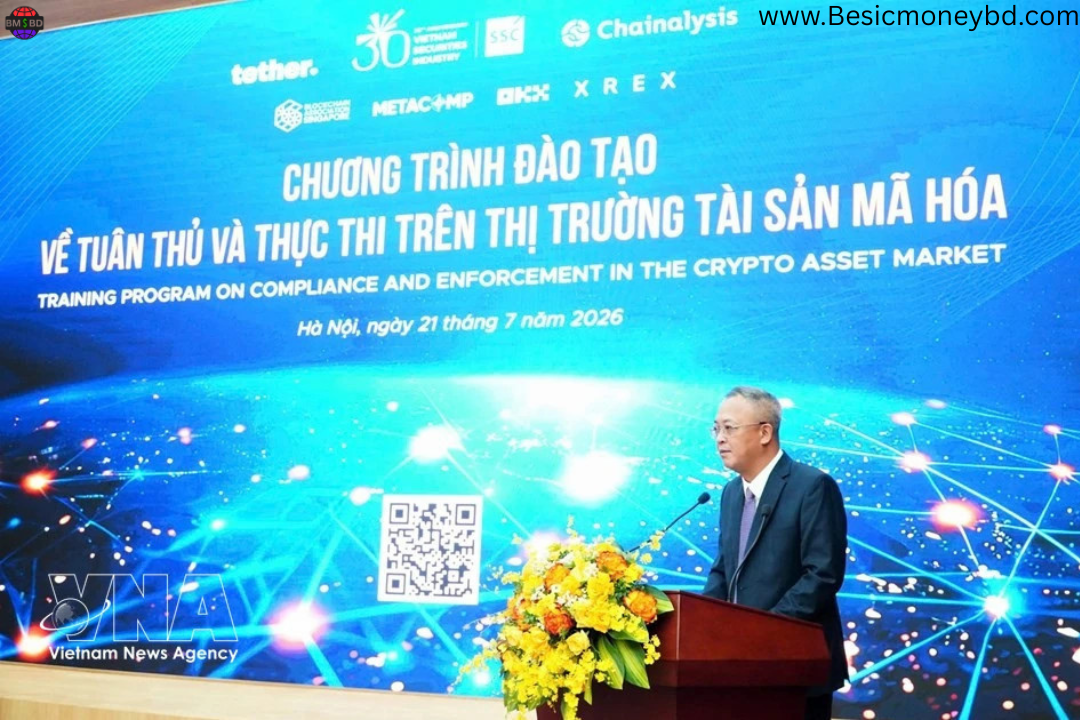
In Vietnam, the market is closely watching the development of officially licensed cryptocurrency exchanges. As regulators work toward establishing a clearer framework, the possibility of licensed exchanges could become an important step for the local digital-asset industry. A regulated environment could provide users with greater confidence while also creating new opportunities for companies operating in trading, payments, custody, blockchain infrastructure, and affiliate marketing.
The development of regulated exchanges could also create demand for experienced professionals. Roles such as head of affiliate, business development manager, compliance specialist, marketing manager, and regional growth lead may become increasingly important as exchanges compete for users. Affiliate programs are particularly relevant because crypto platforms often rely on communities, creators, traders, and influencers to introduce new users to their services.
For people interested in the business side of cryptocurrency, this is an area worth watching. The growth of licensed exchanges does not only mean more trading platforms. It can also mean more jobs, partnerships, educational initiatives, marketing opportunities, and infrastructure development.
Japan provides a different perspective.
Japan has been one of the most closely watched crypto markets in Asia because of its relatively structured approach toward digital assets. The country has spent years developing rules around cryptocurrency exchanges and investor protection. As the market continues to evolve, Japan remains an important example of how traditional financial regulation and blockchain technology can coexist.
For crypto enthusiasts, studying Japan’s market can be almost like studying abroad. The country has a unique combination of advanced technology, established financial institutions, strong consumer awareness, and a growing interest in Web3. Japanese companies have explored areas such as blockchain gaming, digital payments, tokenization, stablecoins, and decentralized applications.
However, market development does not always happen in a straight line.
Sometimes a country can become more open to cryptocurrency at exactly the moment when the broader market begins to decline. That creates an interesting situation for investors and industry participants. Positive regulatory developments can improve the long-term outlook while short-term market conditions remain negative.
This is an important lesson for anyone following crypto.
A falling market does not necessarily mean that the underlying industry is becoming weaker. Prices are influenced by liquidity, investor sentiment, macroeconomic conditions, interest rates, risk appetite, and market cycles. At the same time, regulatory clarity, institutional adoption, and technological development can continue even during periods of declining prices.
Vietnam and Japan therefore represent two different but connected stories.
Vietnam is moving toward a more structured crypto environment, while Japan already provides an example of what a regulated digital-asset ecosystem can look like. The experiences of both countries could influence how other Asian markets approach cryptocurrency regulation in the future.
Another important factor is the increasing professionalization of the crypto industry. In the early years, cryptocurrency was heavily associated with anonymous developers, independent traders, and small online communities. Today, the industry increasingly resembles a traditional financial sector, with specialized roles in compliance, legal operations, institutional sales, partnerships, marketing, research, risk management, and affiliate growth.
This transition could create significant opportunities for people who understand both technology and finance.
For users, regulation may also bring changes to how they interact with exchanges. Identity verification, consumer protection, reporting requirements, custody standards, and operational transparency may become more important. While some users may see additional regulation as inconvenient, stronger standards can potentially reduce certain risks and make the market more accessible to mainstream participants.
Japan’s experience shows why regulation should not automatically be viewed as the opposite of crypto adoption. In some cases, clearer rules can actually provide businesses and financial institutions with the confidence they need to participate.
Vietnam’s future development will be worth following closely for the same reason.
As Asian economies continue exploring blockchain and digital assets, competition between exchanges will likely increase. Companies will need strong technology, reliable infrastructure, effective compliance systems, and powerful communities. Marketing and affiliate partnerships could become particularly important because local knowledge and trusted community voices can help platforms reach new audiences.
Meanwhile, users should remain cautious. Regulatory progress does not eliminate investment risk. Cryptocurrency prices can remain highly volatile, and even regulated platforms can face operational, market, or security challenges. Investors should always conduct their own research and understand the risks before using any crypto service.
The bigger picture is that Asia remains one of the most important regions for the future of cryptocurrency.
Vietnam represents an emerging market preparing for a more formal crypto ecosystem. Japan represents a mature market where regulation, technology, and digital assets are already interacting in meaningful ways. Watching both markets can provide valuable insight into where the broader industry may be heading.
And perhaps the most interesting part is the timing.
Just as some Asian markets become more open and structured, the global crypto market can experience another period of weakness. That contrast reminds us that adoption and price are not always moving together. A market can decline today while the infrastructure being built underneath it continues to grow.
For crypto users, builders, investors, and professionals, that may be the bigger story to follow: not simply whether prices go up or down, but how the foundations of the industry are changing across different countries.
Vietnam and Japan are two markets worth keeping on the radar. Their regulatory decisions, exchange developments, employment opportunities, institutional participation, and Web3 growth could offer an early look at the next chapter of cryptocurrency in Asia.